
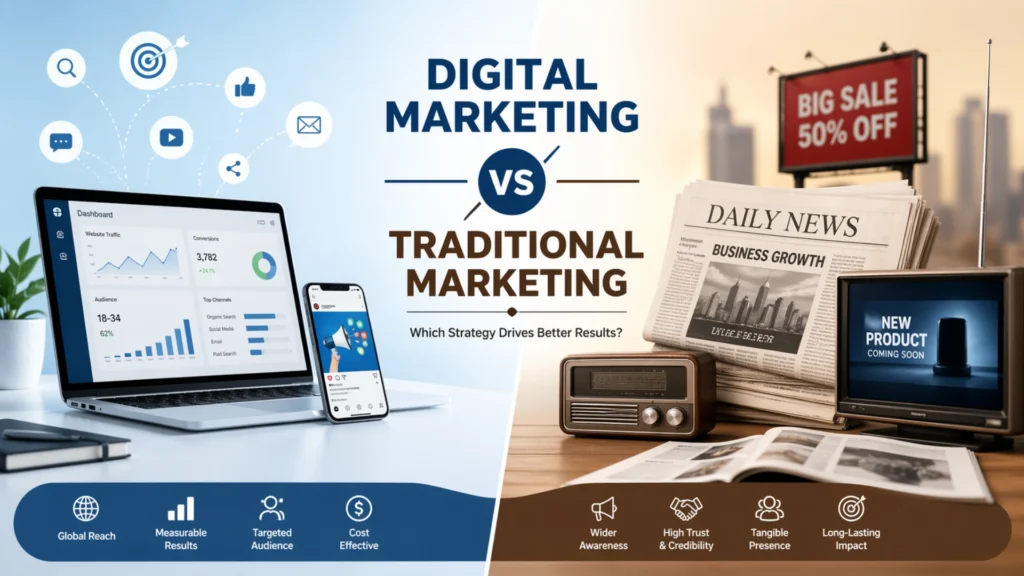
Digital Marketing vs Traditional Marketing: Understanding the Key Differences
Marketing has always been a crucial part of business success. Every company, whether small or large, needs marketing strategies to promote its products or services and reach potential customers. Over the years, marketing techniques have changed significantly. In the past, businesses mainly relied on traditional methods such as newspapers, television advertisements, radio, and billboards. Today, with the growth of the internet and technology, digital marketing has become a powerful alternative.
Both digital marketing and traditional marketing aim to attract customers and increase brand awareness. In this blog, we will explore Digital Marketing vs Traditional Marketing, what digital marketing and traditional marketing are, their advantages, limitations, and which approach works best in the modern business environment.
What is Traditional Marketing?
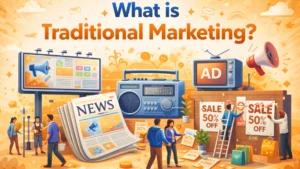
Traditional marketing refers to the classic promotional methods that existed long before the internet became popular. These methods focus on offline channels to deliver advertising messages to large audiences.
Some common examples of traditional marketing include:
- Television commercials
- Radio advertisements
- Newspaper ads
- Magazine promotions
- Billboards and hoardings
- Brochures and flyers
- Direct mail campaigns
These marketing techniques are designed to reach a broad audience through physical or broadcast media. For example, when a business advertises in a newspaper, the advertisement is visible to everyone who reads that paper. While this can help create brand awareness, it does not specifically target people who are interested in the product. Traditional marketing has been widely used for decades and is still effective in certain situations, especially for large-scale brand promotions.
What is Digital Marketing?
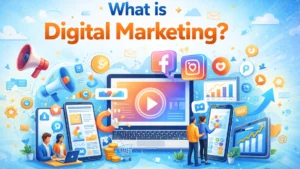
Digital marketing is a modern approach to promoting products and services using online platforms and digital technologies. With the increasing use of smartphones, computers, and the internet, digital marketing has become one of the most powerful tools for businesses.
Digital marketing uses various online channels such as:
- Search engines
- Social media platforms
- Websites and blogs
- Email campaigns
- Online advertisements
Some popular digital marketing strategies include search engine optimization (SEO), social media marketing, content marketing, email marketing, and paid online advertising. Unlike traditional marketing, digital marketing allows businesses to connect with their audience directly and measure the effectiveness of their campaigns in real time. For example, when a company runs a social media advertisement, it can track how many people viewed the ad, clicked on it, or purchased a product afterward.
Major Differences Between Digital Marketing and Traditional Marketing
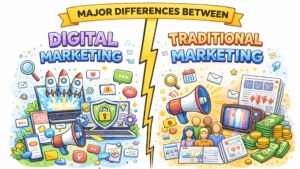
Although both marketing methods aim to promote businesses, they differ in several important ways.
1. Communication Style
Traditional marketing mainly uses one-way communication. Businesses deliver their message through television ads, newspapers, or billboards, but customers cannot easily respond or interact.
Digital marketing, however, encourages two-way communication. Customers can comment on social media posts, send messages, share feedback, and engage directly with brands. This interaction helps businesses build stronger relationships with their audience.
2. Audience Targeting
Traditional marketing often broadcasts advertisements to a wide audience, even if many people are not interested in the product.
Digital marketing allows businesses to target specific groups based on factors such as:
- Age
- Gender
- Location
- Interests
- Online behavior
This means businesses can show advertisements only to people who are more likely to become customers.
3. Cost and Budget
Traditional marketing campaigns can be expensive. Television advertisements, large billboards, and newspaper ads require significant investment, which may not be affordable for small businesses.
Digital marketing is generally more cost-effective. Businesses can start with small budgets and gradually increase their spending as they see positive results. For example, social media advertising allows companies to promote their products with flexible budgets and reach thousands of potential customers.
4. Measurability
Businesses may not know how many people saw a newspaper advertisement or how many customers were influenced by a billboard.Digital marketing provides detailed performance data. Marketers can track website visits, ad clicks, conversions, and customer engagement in real time. These insights help businesses improve their marketing strategies and achieve better results.
5. Speed and Flexibility
Traditional marketing campaigns usually require more time to plan and execute. Designing and publishing advertisements in magazines or producing television commercials may take weeks.
Digital marketing campaigns can be launched quickly. Businesses can create online advertisements, publish blog posts, or start social media promotions within a short period of time. Additionally, digital campaigns can be adjusted instantly if they are not performing well.
Advantages of Traditional Marketing
Despite the rise of digital marketing, traditional marketing still offers several benefits.
Strong Brand Presence
Large companies often use traditional marketing to create strong brand visibility. Television advertisements and billboards can leave a lasting impression on audiences.
Local Audience Reach
Traditional marketing methods such as flyers, banners, and local newspaper ads are effective for targeting people in specific geographic areas.
Trust and Credibility
Some consumers still trust traditional advertisements more than online promotions because they are familiar with these formats.
Customer Engagement
Social media platforms allow businesses to communicate directly with customers, answer questions, and build relationships.
Personalization
Digital marketing enables businesses to personalize messages based on customer preferences and online activities.
Challenges of Traditional Marketing
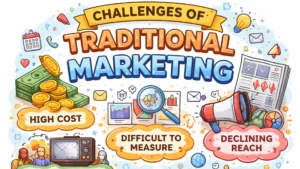
- Although traditional marketing can be effective, it also has certain disadvantages.
- High advertising costs
- Limited audience targeting
- Difficulty measuring campaign performance
- Less interaction with customers
These challenges make traditional marketing less flexible compared to digital marketing.
Challenges of Digital Marketing
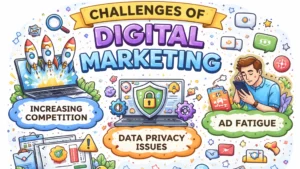
Digital marketing also comes with its own challenges.
- High competition in online platforms
- Constant updates in search engine algorithms
- Need for technical knowledge and digital skills
- Risk of negative feedback spreading quickly online
Businesses need proper strategies and expertise to overcome these challenges and achieve success.
How Consumer Behavior Has Changed
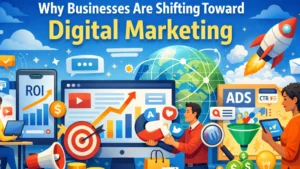
Many businesses are gradually shifting their marketing budgets toward digital strategies. One of the main reasons is the ability to measure results accurately. Digital tools allow marketers to analyze campaign performance, identify customer preferences, and adjust strategies based on real-time data. Another reason is the growing number of internet users worldwide. With billions of people using smartphones and online platforms daily, digital marketing provides an opportunity to reach a massive audience.
Digital marketing also supports long-term brand growth. For example, publishing high-quality blog content, optimizing websites for search engines, and engaging audiences on social media can help businesses build trust and credibility over time.
Integrating Digital and Traditional Marketing
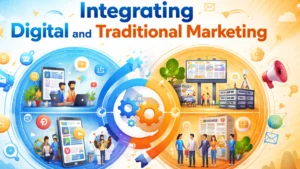

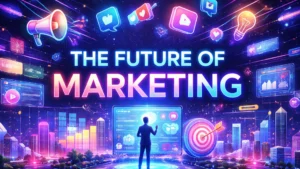
The marketing landscape continues to evolve as technology advances. The increasing use of smartphones, social media, and online platforms is driving the growth of digital marketing. In the discussion of Digital Marketing vs Traditional Marketing, it is clear that many consumers compare options before making a purchase. As a result, businesses need to maintain a strong digital presence.
At the same time, traditional marketing still plays a role in building brand identity and reaching audiences who may not spend much time online. When considering Digital Marketing vs Traditional Marketing, both approaches offer unique advantages. The future of marketing will likely involve a combination of digital innovation and traditional promotional techniques. Businesses that understand Digital Marketing vs Traditional Marketing can adapt more quickly to changing customer behavior and market trends. By leveraging insights from Digital Marketing vs Traditional Marketing, brands can create more effective and customer-focused strategies for long-term success.
Conclusion
Digital marketing vs traditional marketing are both valuable tools for promoting businesses and reaching customers. Traditional marketing focuses on offline channels and broad audience reach, while digital marketing uses online platforms to deliver targeted and measurable campaigns. In today’s digital era, businesses that embrace digital marketing can benefit from cost-effective advertising, real-time analytics, and direct customer engagement. However, traditional marketing can still support brand awareness and credibility in certain situations.
When comparing digital marketing and traditional marketing, it becomes clear that each has its own strengths. The most effective approach is often a balanced strategy that combines the advantages of both methods. By understanding digital marketing vs traditional marketing and using them wisely, businesses can create successful marketing campaigns that drive long-term growth. A clear understanding of digital marketing vs traditional marketing allows businesses to adapt their strategies based on changing consumer behavior. Ultimately, mastering digital marketing vs traditional marketing can help brands stay competitive and relevant in a constantly evolving marketplace.
Author : LIYA K
Every blog in this website is very helpful and informative.
Nice 👌
Good content
informative content and very helpfull